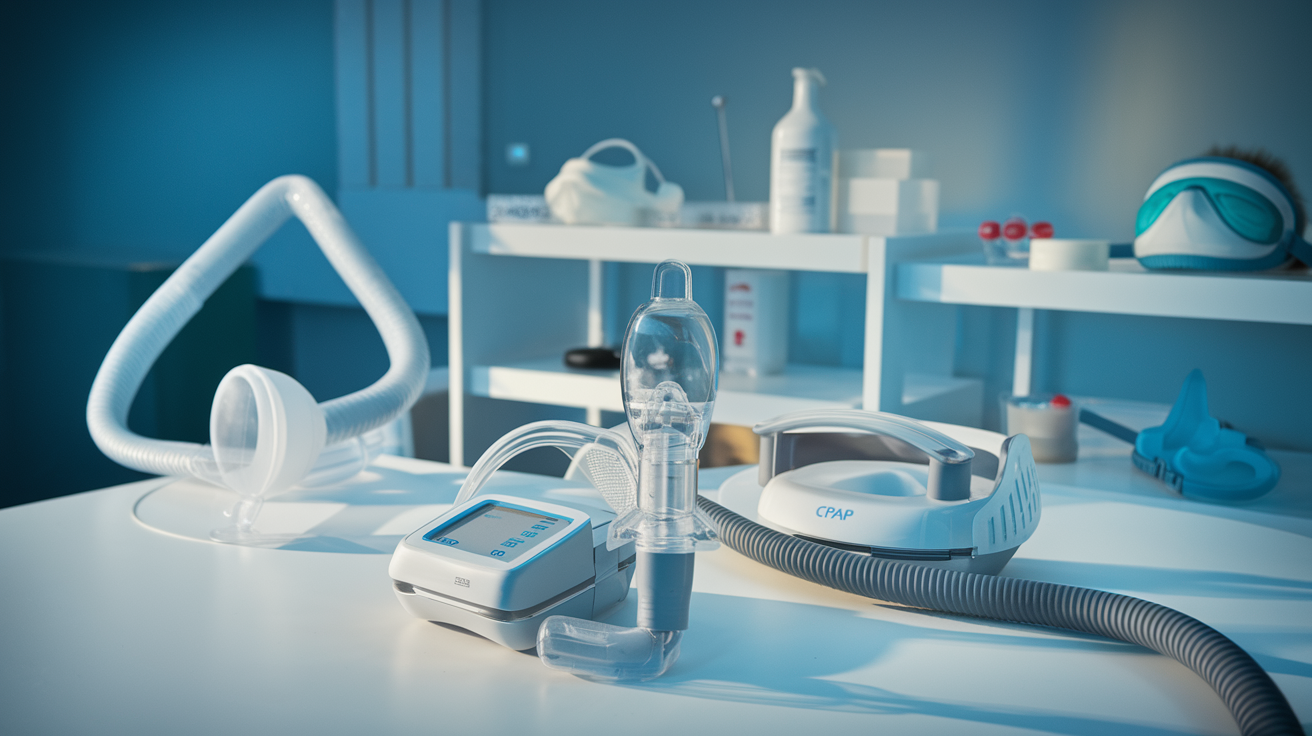

Continuous Positive Airway Pressure, or CPAP, is often the first line of defense against sleep apnea. But let's be honest: it's not a perfect solution for everyone. Many people find it uncomfortable, cumbersome, or simply ineffective in fully resolving their sleep apnea symptoms. That's where the idea of hybrid sleep apnea therapy comes in. It's about combining CPAP with other treatments to create a more personalized and effective approach.
So, what exactly does hybrid therapy entail? And could it be the answer you've been searching for? Let’s explore.
What Exactly *Is* Hybrid Sleep Apnea Therapy?
Hybrid therapy isn't a single, defined treatment. Instead, it's a strategy that involves using CPAP in conjunction with other interventions. Think of it as a personalized approach to managing your sleep apnea, rather than a one-size-fits-all solution. The goal is to find a combination that maximizes effectiveness while minimizing the drawbacks of any single therapy.
For example, someone might use CPAP at a lower pressure setting — making it more comfortable — while also employing positional therapy to avoid sleeping on their back. Or, they might combine CPAP with a mandibular advancement device (MAD), a custom-fitted dental appliance that helps keep the airway open. It's all about finding the right mix for your specific needs.
Common Components of Hybrid Therapy
Several different therapies can be incorporated into a hybrid approach. Here are a few of the most common:
- CPAP (at lower pressure): This is often the foundation, providing a baseline level of support to keep the airway open.
- Oral appliances (MADs): These devices reposition the jaw to prevent airway obstruction.
- Positional therapy: This involves strategies to avoid sleeping on your back, which can worsen sleep apnea for some people.
- Lifestyle modifications: Weight loss, avoiding alcohol before bed, and quitting smoking can all play a role in improving sleep apnea symptoms.
- Surgery: In some cases, surgical procedures like turbinate reduction or septoplasty may be combined with CPAP to address underlying anatomical issues.
Who Might Benefit from a Hybrid Approach?
Hybrid therapy isn't for everyone, but it can be particularly beneficial for certain individuals. I've found that people who struggle with CPAP adherence are often good candidates. Maybe they find the mask uncomfortable, the pressure too high, or the machine too noisy. By combining CPAP with other treatments, they can potentially use a lower pressure setting, making it more tolerable.

Visual overview: Key facts about hybrid sleep apnea therapy: combining CPAP with alternatives
Here's the thing: many experts agree that hybrid therapy can also be helpful for people with:
- Mild to moderate sleep apnea: In these cases, a combination of therapies might be sufficient to control symptoms without relying solely on CPAP.
- Positional sleep apnea: If your sleep apnea is worse when you sleep on your back, positional therapy can be a valuable addition to CPAP.
- Anatomical issues: People with nasal congestion or other anatomical problems might benefit from combining CPAP with treatments that address these issues, like septoplasty pricing.
What are the Potential Advantages of Combining Therapies?
The main advantage of hybrid therapy is that it allows for a more personalized and potentially more effective treatment plan. By combining different approaches, you can target the specific factors contributing to your sleep apnea. This can lead to several benefits:
- Improved CPAP adherence: By using CPAP at a lower pressure or for fewer hours per night, you may find it easier to stick with the treatment.
- Reduced symptoms: A combination of therapies may be more effective at controlling sleep apnea symptoms than any single treatment alone.
- Enhanced quality of life: Better sleep can lead to improvements in energy levels, mood, and overall well-being.
- Reduced reliance on CPAP: In some cases, hybrid therapy may allow you to eventually reduce or even eliminate your reliance on CPAP.
What About the Potential Drawbacks?
Of course, hybrid therapy isn't without its potential downsides. One of the biggest is the complexity of managing multiple treatments. It requires careful planning and coordination with your doctor. There's also the potential for increased costs, depending on the specific therapies involved. For example, if surgery is part of the plan, you'll need to consider the surgery costs without insurance.
Another potential drawback is that it may take time and effort to find the right combination of therapies. It's not always a quick fix. You might need to experiment with different approaches and make adjustments along the way.
How Do You Get Started with Hybrid Therapy?
The first step is to talk to your doctor. They can evaluate your sleep apnea and determine if a hybrid approach is right for you. They can also help you identify the specific therapies that might be most beneficial.
Your doctor may recommend additional testing, such as a sleep study, to get a better understanding of your sleep apnea. They may also refer you to other specialists, such as a dentist or surgeon, depending on the therapies being considered. If surgery is a possibility, you can research find sleep apnea surgeons in your area.
Once you have a treatment plan in place, it's important to follow it carefully and communicate regularly with your doctor. They can monitor your progress and make adjustments as needed. Remember, hybrid therapy is a collaborative effort between you and your healthcare team.
What Are Some Examples of Successful Hybrid Therapy Combinations?
Let's look at a few examples to illustrate how hybrid therapy can work in practice:
- CPAP + Oral Appliance: A patient with mild to moderate sleep apnea finds CPAP uncomfortable at higher pressures. Their doctor prescribes a MAD to help keep the airway open, allowing them to use CPAP at a lower, more tolerable pressure.
- CPAP + Positional Therapy: A patient with positional sleep apnea uses a device that prevents them from sleeping on their back, in addition to using CPAP. This combination significantly reduces their apnea-hypopnea index (AHI).
- CPAP + Lifestyle Modifications: An overweight patient with sleep apnea loses weight and adopts healthier sleep habits, while continuing to use CPAP. This leads to a reduction in their CPAP pressure requirements and improved overall health.
The Future of Sleep Apnea Treatment: More Personalized Approaches
I believe that hybrid therapy represents the future of sleep apnea treatment. As we gain a better understanding of the complex factors that contribute to sleep apnea, we'll be able to develop more personalized and effective treatment plans. And while CPAP remains a cornerstone, it's exciting to see how it can be combined with other therapies to improve the lives of people living with sleep apnea.
Remember, it's essential to discuss your sleep apnea concerns with your doctor to determine the best course of action for your specific situation. They can help you navigate the various treatment options and develop a plan that meets your individual needs and preferences. If you're considering surgical options as part of your plan, reading our sleep apnea surgery guides can provide valuable background information.