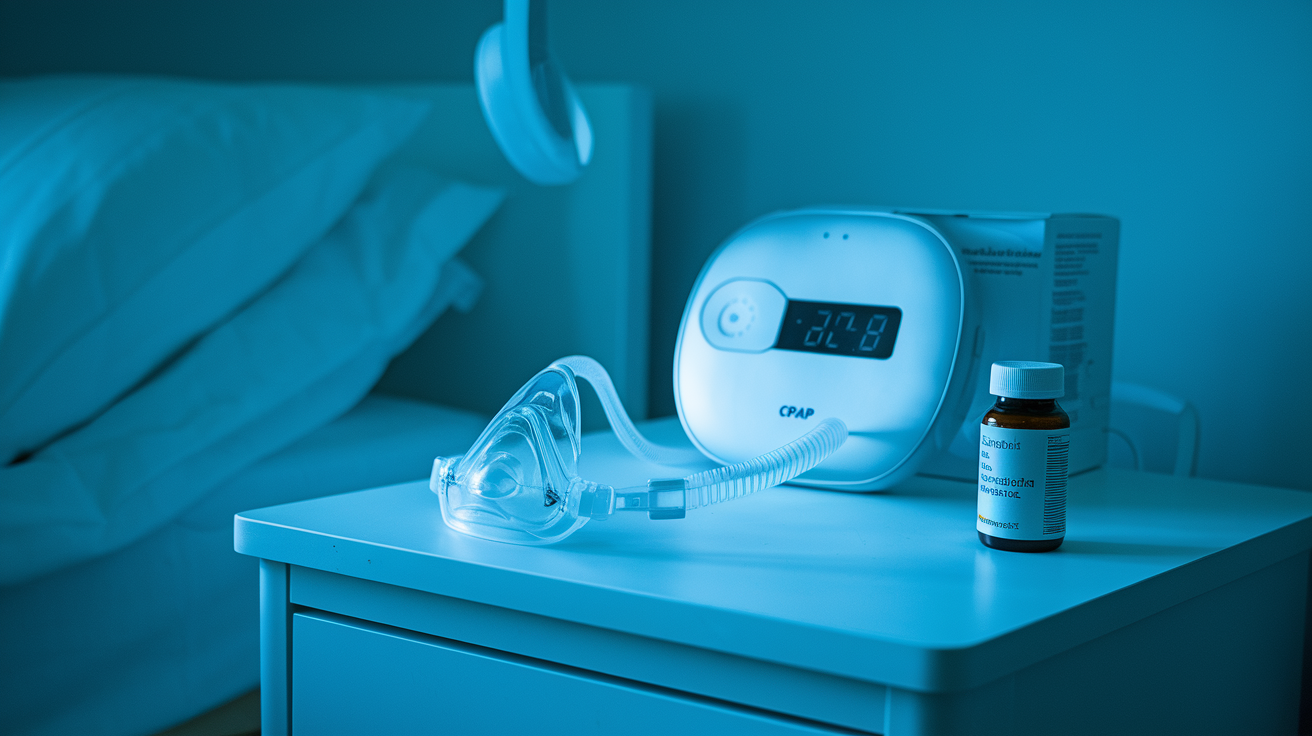

I've seen how sleep apnea can be a persistent nighttime nemesis, leaving many waking up with that ever-so-annoying grogginess. We all know someone who's fought the CPAP battle—those Darth Vader masks of the sleep world. But here's a twist: as 2026 unfolds, there's a new kid on the block, a medication promising to shake things up. What does this mean for you?
So, What's the Deal with This New Drug?
Many experts agree that this new sleep apnea drug might be a game-changer, especially for those who've tried every trick in the book to no avail. Now, the drug is designed to improve breathing by targeting specific receptors in the nervous system. Picture this: it's like flipping a switch that regulates airflow more smoothly during sleep. Less clunky than a CPAP, isn't it?
Here Are Some Pros and Cons
The excitement is real, but let’s not forget—every silver lining has a cloud.
- Pro: Convenience. You can pop a pill and go about your night without fiddling with masks and tubes. Imagine the freedom!
- Con: Side effects. Like most meds, there can be a few hiccups—some users report mild dizziness or headaches.
And, of course, I'd say talk to your doctor before making any decisions—it's always wise to weigh personal needs and medical history.
But is CPAP Still Holding Its Ground?
Some sleep specialists still champion the trusty CPAP, noting its proven track record for effectiveness. After all, CPAP has been our long-standing ally in battling sleep apnea. So, what keeps it relevant?

Visual overview: Key facts about new sleep apnea drug vs CPAP: what you need to know in 2026
Advantages of Sticking with CPAP
Sure, the masks are a pain to get used to, but CPAP does come with its perks:
- Reliability: You can't argue with decades of usage backing up CPAP. It consistently skews the scales to a good night's rest for many users.
- Customizability: With so many options, you can fine-tune your setup for comfort and effectiveness.
Yet, as I've observed, for some, CPAP therapy can be akin to wearing armor to bed—hardly an enticing proposition.
Making the Decision: Drug or CPAP?
While the research does suggest this new pill could be a solid alternative, it's not necessarily a case of 'out with the old, in with the new'. Some might love the simplicity of medication, while others lean on CPAP for that peace of mind.
Talking through options with your healthcare team is always best. They can help you decipher if this new drug aligns with other treatments you’re considering. For example, if you’re exploring options like UPPP surgery or interested in Inspire therapy, it might be worth gauging how these might intertwine.
And here's an interesting thing to ponder: what if combining CPAP with this new drug results in the ultimate shuteye combo? Who knows how this hybrid approach might evolve—2026 holds a lot of promise.
In the end, it’s all about discovering which path leads to a good night’s sleep without undue complication. Perhaps this medication could be your ticket, or maybe CPAP still remains your steadfast sidekick. Either way—or somewhere in between—it's fascinating to consider where sleep apnea therapy is headed next.