
If you've ever woken up gasping in the middle of the night, you're not alone. Sleep apnea can feel like a silent thief stealing your rest, leaving you groggy and irritable. But here's the thing: you're not stuck battling this on your own. Two major roads you can explore are oral appliances and surgical interventions. While the research strongly suggests that both can be effective, the best option might just depend on you and your specific needs.
What Makes Oral Appliances a Viable Option?
Imagine this: You've got a tiny device that fits snugly in your mouth like a custom-designed sports mouthguard. That's essentially what an oral appliance does. Unlike traditional CPAP machines, which can feel a bit like sleeping next to a stormtrooper, oral appliances are discreet and often more comfortable for many.
These devices work by keeping your airway open during sleep, preventing the soft tissues from collapsing — the usual culprit behind those night-time breathing interruptions. They are particularly useful for people with mild to moderate sleep apnea or those who can’t tolerate CPAP machines.
Yet, it’s not all clear skies. Oral appliances require some getting used to and might not be right if your condition is severe. And, as with any treatment, talking to your doctor is crucial to ensure it's the right fit for your anatomy and lifestyle.
What About Surgery for Sleep Apnea?
Surgery sounds daunting — there’s no getting around that. But for some, it can be a lasting solution. We're talking about procedures like Uvulopalatopharyngoplasty (try saying that three times fast) which are designed to remove excess tissue that blocks the airway. This approach can potentially offer relief where other treatments fail.

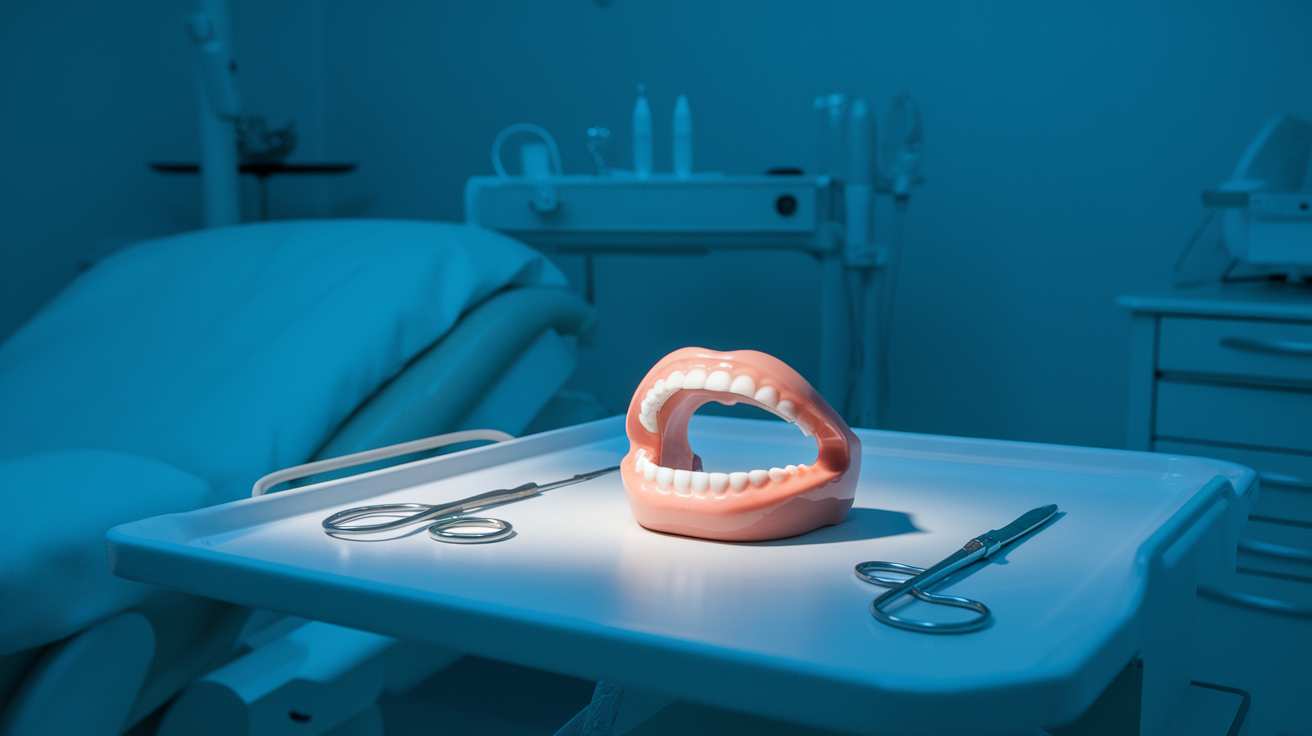
Visual overview: Key facts about sleep apnea oral appliances vs surgery
The costs can vary (check out our UPPP surgery costs for a deeper dive into that), and recovery time needs consideration. Yet, many experts agree that when lifestyle changes and less invasive treatments fall short, surgery might be the next logical step.
Additionally, Inspire therapy has emerged as a promising option, especially for those intolerant to CPAP therapy. However, always bear in mind your unique health circumstances when weighing surgical options.
So, How Do You Weigh the Benefits?
Many folks find themselves at a crossroads: continue with a non-invasive approach or jump into surgery. It's like choosing between a new routine and a big move — both have their own textures and flavors.
Here are some considerations:
- If you've tried an oral appliance and it works, that might be the sweet spot between efficacy and convenience.
- Surgery might eliminate the need for ongoing treatments but requires a serious commitment and recovery period.
- Your personal threshold for risk and comfort should guide your journey.
And remember, discussing with a healthcare provider can shine a light on the path that aligns with your health goals. A short chat can save a lot of confusion!
The Human Side of Treatment Choices
What's fascinating here is how much these choices depend on not just the scientific data, but on individual temperament and preferences. Many of us know someone who swears by their appliance and someone else who've taken the surgical plunge with no regrets.
Your journey will have its own highs and lows — that can't be overstated. You might try something, find it’s not your cup of tea, and pivot. And that's perfectly okay. Think of it like tweaking a recipe until it's just right for your palate. A perfect blend of medical guidance and personal comfort.
Finding Your Way Forward
So what does this actually mean for your next steps? Whether a portable oral device or a committed move towards surgery is in your future, exploring all the angles is worthwhile. You can visit our extensive FAQ or check out the patient journey guide to see what happens every step of the way. Information is your best ally in navigating these choices.
Don't shy away from reaching out to experts who can offer insights — even those in your neighborhood, like local sleep apnea surgeons or specific guides in California. Your health is a treasure worth fighting for, with patience, persistence, and a dash of personal flair.