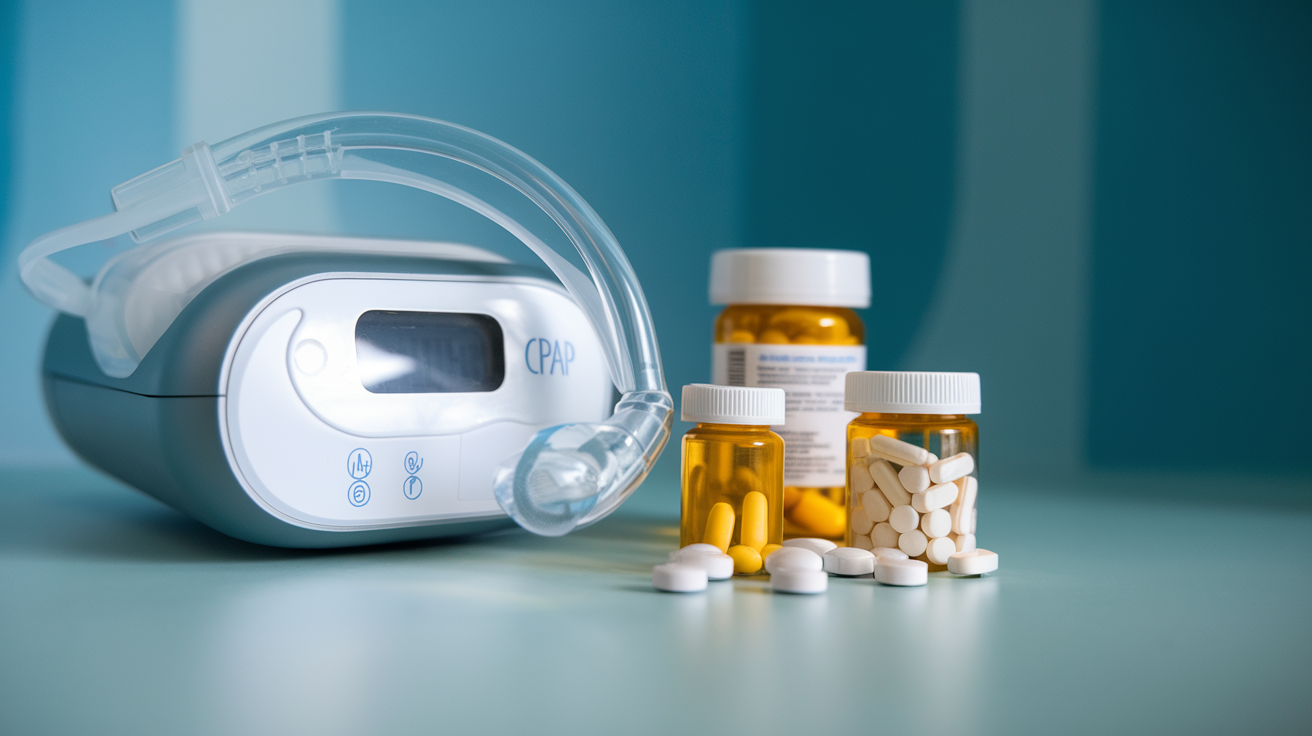

You've probably heard whispers about "sleep apnea pills" that could replace your CPAP machine. The idea sounds almost too good to be true — swallow a tablet instead of strapping on a mask every night? I've spent years analyzing treatment data, and I can tell you the reality is more nuanced than most headlines suggest.
Here's what's actually happening in sleep medicine right now. We don't have a magic pill that cures obstructive sleep apnea (OSA) the way CPAP does. But we do have some medications that can help specific types of sleep apnea or work alongside other treatments. The key is understanding what these options can and can't do.
What Sleep Apnea "Pills" Actually Exist Right Now
The term "sleep apnea pill" gets thrown around loosely, but let me break down what's actually available. Most of these medications target central sleep apnea or mixed sleep apnea rather than the common obstructive type.
Acetazolamide is probably the closest thing we have to a sleep apnea medication. Research suggests it can help reduce central sleep apnea episodes by stimulating breathing drive. But (and this is important) it's primarily effective for central sleep apnea — not the obstructive type that affects about 84% of sleep apnea patients.
Modafinil and armodafinil don't treat the apnea itself but can help manage excessive daytime sleepiness in people who are already using CPAP. Think of these as symptom managers rather than cures.
Some newer approaches involve combination therapies. There's interesting research on drugs that target muscle tone and arousal thresholds, but these are still largely experimental.
Why CPAP Remains the Gold Standard
I've reviewed countless sleep studies, and CPAP's track record is genuinely impressive. When used consistently, CPAP can reduce apnea episodes by 90-95% in most patients. That's not marketing hype — that's measurable, reproducible data from sleep labs worldwide.

Visual overview: Key facts about sleep apnea pill treatment vs CPAP effectiveness compared
What makes CPAP so effective? It's mechanically simple but brilliant. By providing continuous positive airway pressure, it keeps your airway open throughout the night. No complex drug interactions, no metabolic pathways to worry about — just physics working in your favor.
The challenge isn't CPAP's effectiveness; it's adherence. Studies show that about 30-50% of people struggle to use their CPAP consistently. That's where the appeal of pill alternatives becomes obvious.
The Measurable Benefits of CPAP
Here's what properly used CPAP typically delivers:
- Dramatic reduction in apnea-hypopnea index (AHI) — often from 30+ events per hour to under 5
- Improved oxygen saturation throughout the night
- Reduced cardiovascular stress and blood pressure improvements
- Better sleep architecture with more restorative deep sleep
- Significant improvement in daytime alertness and cognitive function
These benefits show up within weeks of consistent use, and they're measurable through follow-up sleep studies.
The Reality Check on Medication Approaches
I wish I could tell you that sleep apnea pills are as effective as CPAP for obstructive sleep apnea, but the data doesn't support that — at least not yet. Most current medications might reduce AHI by 20-40% in select patients, which is meaningful but not comparable to CPAP's 90%+ reduction.
The challenge with obstructive sleep apnea is fundamentally mechanical. Your airway collapses due to a combination of factors: anatomy, muscle tone, weight, positioning. A medication would need to address multiple variables simultaneously to match CPAP's effectiveness.
That said, medications might be valuable for people who absolutely cannot tolerate CPAP or as bridge therapy while considering other options like surgery. Some patients have found moderate improvements with acetazolamide, particularly those with mixed sleep apnea patterns.
Who Might Actually Benefit from Medication Approaches
Based on current research, sleep apnea medications might help if you have:
- Predominantly central sleep apnea (rather than obstructive)
- Mixed sleep apnea with a significant central component
- Mild obstructive sleep apnea with specific anatomical factors
- CPAP intolerance but want some treatment while exploring surgical options
For people considering surgical alternatives, understanding the landscape helps. Whether you're looking at UPPP surgery costs or exploring Inspire therapy pricing, having realistic expectations about all treatment modalities matters.
Where Combination Strategies Might Make Sense
Here's where things get interesting. Some sleep specialists are exploring combination approaches that use medications to enhance other treatments' effectiveness. For example, certain medications might help improve CPAP tolerance or reduce the pressure settings needed.
I've seen patients use modafinil to manage residual sleepiness while adjusting to CPAP therapy. Others have used acetazolamide to address central events that persist even with good CPAP adherence.
The key is working with a sleep specialist who understands your specific pattern of sleep apnea. Not all sleep apnea looks the same on a sleep study, and treatment approaches should reflect those differences.
What's Actually Coming Down the Pipeline
The pharmaceutical industry hasn't given up on sleep apnea medications. There are several promising approaches in development, though we're likely still years away from anything that matches CPAP's effectiveness for most patients.
Research is focusing on combination drug approaches that target multiple pathways: medications that increase upper airway muscle tone while reducing arousal sensitivity. Some early studies show promise, but we're talking about potential treatments that might be available in 5-10 years, not next year.
Personalized medicine approaches are also gaining traction — the idea that we might identify which patients are most likely to respond to specific medication combinations based on their sleep study patterns and genetic factors.
How to Think About Your Treatment Decision
If you're weighing these options, start with an honest assessment of your current situation. Are you struggling with CPAP because of mask fit issues, pressure discomfort, or philosophical resistance to the therapy? Many CPAP problems have solutions that don't require switching treatments entirely.
But if you've genuinely tried multiple CPAP setups with a qualified sleep technician and still can't make it work, exploring alternatives makes sense. This might include medications, oral appliances, positional therapy, or surgical options.
Your sleep specialist can help you understand which approaches might work for your specific type and severity of sleep apnea. They can also help you access sleep apnea surgery guides or connect you with specialists if medication options seem promising for your situation.
The most important thing? Don't let perfect be the enemy of good. Partial treatment with a medication you can actually use consistently might be better than perfect treatment with CPAP you can't tolerate. But that's a decision you'll want to make with proper medical guidance, considering your overall health picture and sleep apnea severity.
What's clear is that we're not yet at the point where you can simply swap your CPAP for a pill bottle and expect the same results. But for some patients, emerging medication options might offer meaningful improvements — especially when used as part of a broader treatment strategy.