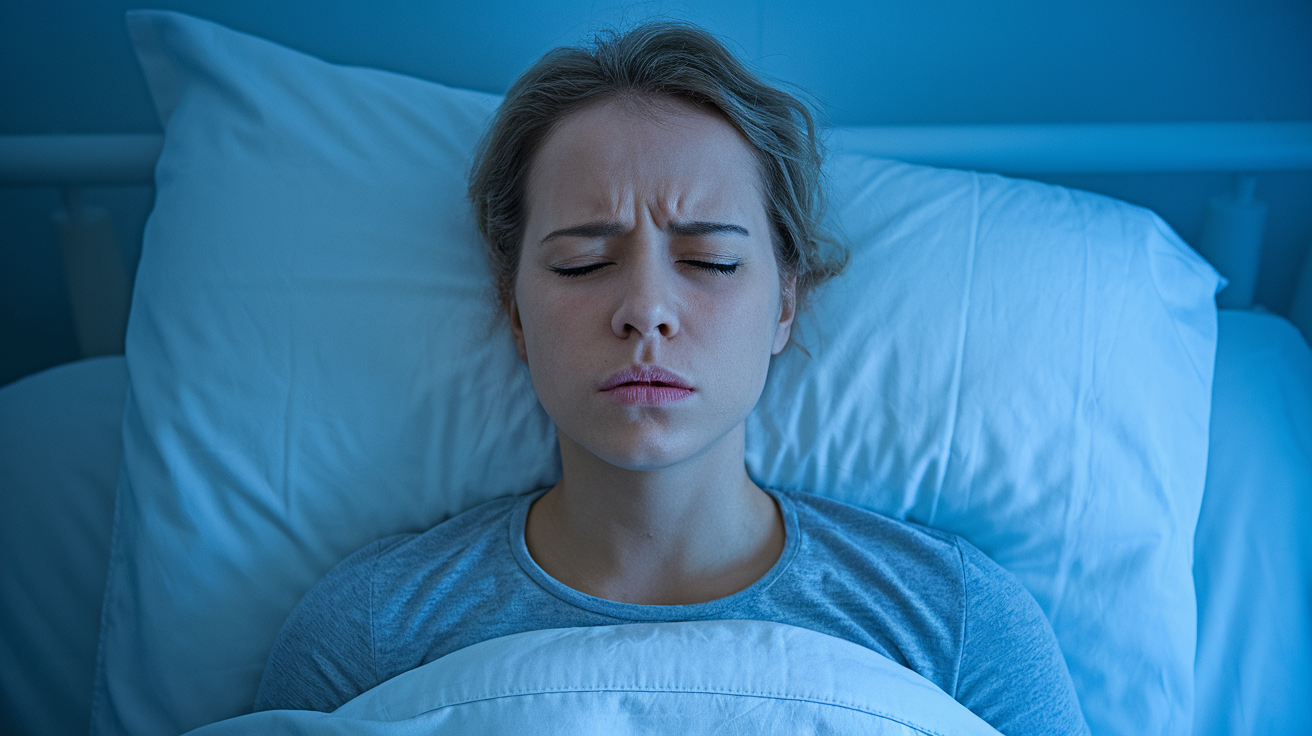

If you've ever felt like no matter how many hours you spend in bed, you're waking up just as tired — you're not alone. For many women, this could be a sign of sleep apnea, a condition that often flies under the radar due to its subtlety in symptoms.
So, What Exactly is Sleep Apnea?
Here's the thing: sleep apnea is more than just snoring or the occasional gasp in the middle of the night. It's a chronic condition where a person repeatedly stops and starts breathing during sleep. And while it's often associated with men, women aren't immune; they just might experience it a bit differently.
What Symptoms Make It Different for Women?
Many experts agree that women might not exhibit the textbook signs of sleep apnea. Instead of the classic loud snoring, women may experience subtler cues. You might notice:

Visual overview: Key facts about sleep apnea in women symptoms and treatment
- Insomnia: Finding it hard to fall or stay asleep can be more than just a rough patch.
- Fatigue: A level of tiredness that no amount of coffee seems to shake.
- Mood Changes: Increased irritability and potential depression that feels unshakable.
- Morning Headaches: Waking up with headaches that make mornings brutal.
- Restless Sleep: A feeling of constant tossing and turning.
It's fascinating how symptoms can manifest so differently between the sexes — and that's why it's crucial to talk to your doctor if you're experiencing any of these.
Exploring Treatment Options
Treatment for sleep apnea varies as much as the symptoms do. Here are some pathways you might consider (and definitely discuss with your healthcare provider):
Could Lifestyle Modifications Help?
Simple changes can sometimes make a world of difference. Losing weight, avoiding alcohol before bed, and sleeping on your side can potentially reduce symptoms. Many people don't realize how impactful these seemingly small adjustments can be.
What about CPAP and Oral Appliances?
A CPAP machine, which stands for Continuous Positive Airway Pressure, might sound intimidating — but it can be a game-changer. This device helps keep your airways open, making your nights more peaceful than you might have thought possible.
Alternately, some might find relief through oral appliances designed to keep the lower jaw forward, particularly if CPAP isn't a match for you. It's worth discussing these options, especially if you feel a nightly Darth Vader impression isn't quite your thing.
Are Surgical Options Worth Considering?
For some, surgery might be the route to explore, especially when airyways are more structurally obstructed. Procedures like UPPP surgery, MMA surgery, or tonsillectomy can potentially alleviate symptoms when other treatments fall short.
And in certain cases, septoplasty or turbinate reduction might offer relief by adjusting nasal structures. Always consult with a specialist to weigh the benefits against your specific situation.
Staying Proactive: How to Keep Your Z's in Check
The journey with sleep apnea in women often requires a multifaceted approach and, I've found that being proactive typically pays off. Regular follow-ups and honest discussions with your healthcare provider can unlock a more restful night's sleep.
Curious about more detailed procedures and what to expect? Consider checking our patient journey guide to gather more insights into making well-informed decisions.
Remember, no snore, no matter how loud—or soft—is worth enduring the relentless fatigue that often tags along. Stay informed, ask questions, and seek out specialists if you suspect your sleep quality isn’t quite what it should be.