UPPP vs Inspire: Comparing Sleep Apnea Surgical Treatments
An in-depth comparison of traditional UPPP surgery versus Inspire therapy for treating obstructive sleep apnea.

Board-Certified Physician | UCI Gavin Herbert Eye Institute
Last reviewed and updated: January 2026
Uvulopalatopharyngoplasty (UPPP) and Inspire therapy are two distinct surgical options for treating obstructive sleep apnea (OSA), differing primarily in their approach to resolving airway obstruction. UPPP is a traditional, invasive surgery that involves the removal and repositioning of excess tissue in the throat, such as the uvula, soft palate, and tonsils, to physically enlarge the airway [3]. In contrast, Inspire therapy is a less invasive approach that utilizes an implantable device to stimulate the hypoglossal nerve, which controls the tongue's movement. This stimulation prevents the tongue from collapsing and blocking the airway during sleep, addressing the root cause of obstruction for many patients without removing any tissue [2].
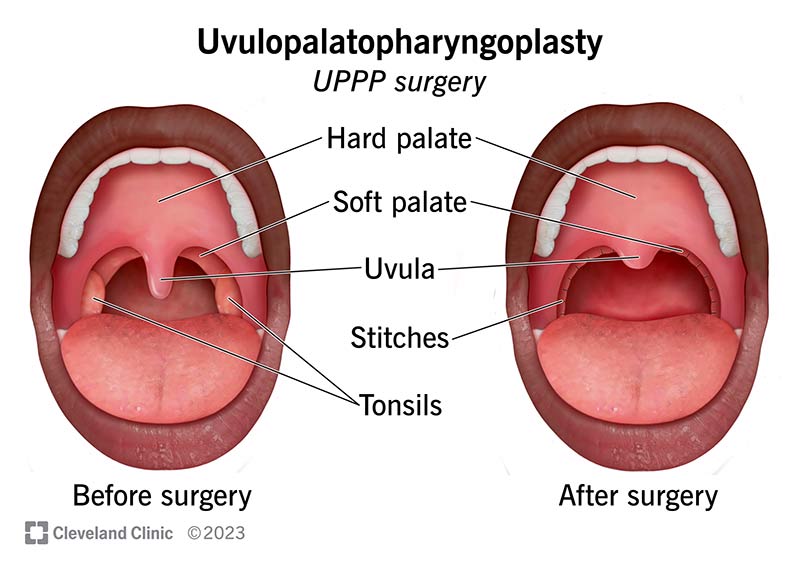
UPPP Surgery: Before and After (Cleveland Clinic)
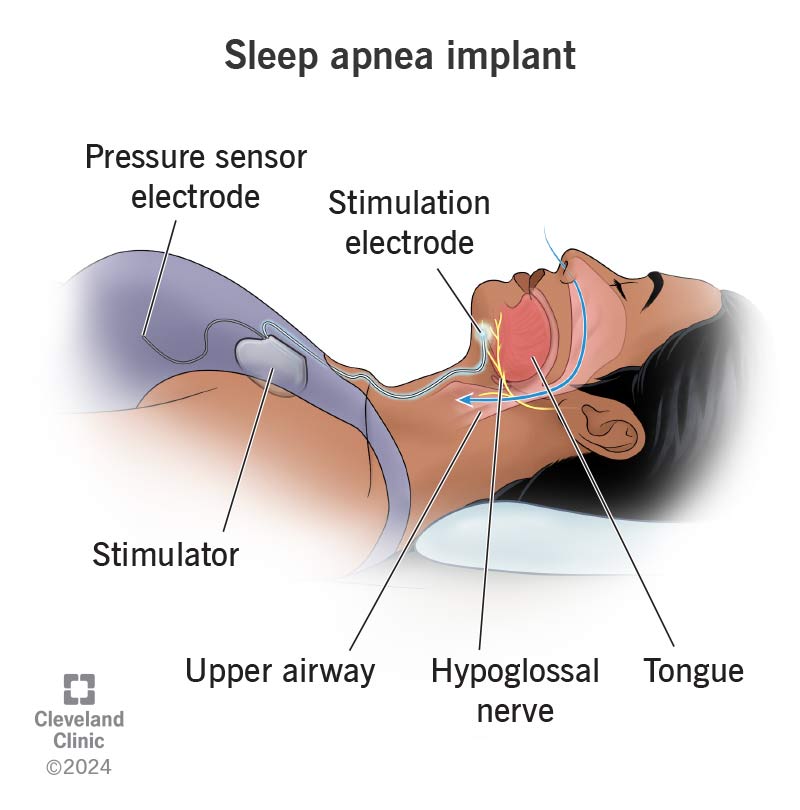
Inspire Therapy: Implant Placement (Cleveland Clinic)
UPPP has been a standard surgical treatment for OSA for decades, with studies showing that approximately 50% of patients experience a significant reduction in breathing disruptions [3]. However, the success of UPPP can be limited, and for some patients, the symptoms of OSA may return over time. The procedure also carries risks such as post-operative pain, bleeding, infection, and potential changes in voice or swallowing [3]. Inspire therapy, a newer treatment, has shown higher success rates in select patient populations. A study comparing the two found that Inspire therapy was significantly more effective at normalizing the Apnea-Hypopnea Index (AHI), a key measure of OSA severity. In the study, 65% of Inspire patients achieved a "curative" AHI of 5 or less, compared to a much lower success rate for UPPP [1]. Inspire is generally considered for patients with moderate to severe OSA who have not found success with CPAP therapy [2].
Medical experts, such as Dr. Alan Kominsky from the Cleveland Clinic, suggest that hypoglossal nerve stimulation (HNS), the technology behind Inspire, is leading to better patient outcomes and is "changing the landscape of sleep surgery" [2]. While UPPP remains a viable option for some, the trend is moving towards less invasive and more targeted therapies like Inspire. For patients considering surgical options for OSA, it is crucial to undergo a thorough evaluation by a sleep specialist to determine the specific cause of their airway obstruction. This evaluation will help in selecting the most appropriate and effective treatment, whether it be UPPP, Inspire, or another alternative. Patients should also discuss the potential benefits and risks of each procedure with their doctor to make an informed decision that aligns with their health needs and lifestyle.
Related Procedures
Sources & References
Find Sleep Apnea Specialists Near You
Compare 45+ verified sleep surgery providers across the United States.
Browse Providers