What is DISE? Understanding Drug-Induced Sleep Endoscopy
A comprehensive guide to DISE (Drug-Induced Sleep Endoscopy) and why it may be required before sleep apnea surgery.
Medical Review
Dr. Blane Schilling, MD
Family Medicine and Integrative Wellness
Dr. Blane Schilling, MD reviews the medical content on SleepApneaMatch.com, bringing expertise in family medicine and integrative wellness.
Our Standards
- Evidence-based information from peer-reviewed studies
- Transparent pricing data verified with providers
- Regular updates with latest clinical guidelines
- No paid placements or sponsored rankings
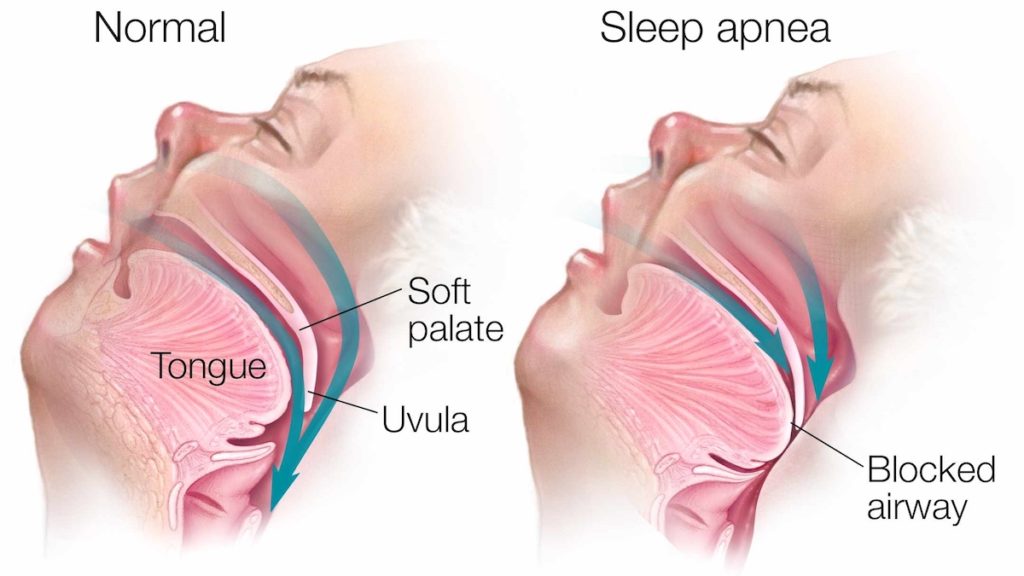
Normal airway vs. obstructed airway in sleep apnea
Drug-Induced Sleep Endoscopy (DISE) is a diagnostic procedure used to evaluate the upper airway in patients with obstructive sleep apnea (OSA). It is performed while the patient is under sedation, in a state that mimics natural sleep, allowing the surgeon to directly observe the specific locations and patterns of airway collapse that cause snoring and breathing obstruction. Using a thin, flexible camera passed through the nose, the doctor can identify which structures—such as the soft palate, tonsils, tongue, or epiglottis—are contributing to the problem. This detailed, real-time view of the airway dynamics during sleep is crucial for understanding the root cause of an individual's sleep apnea.
Whether you need a DISE procedure depends on your treatment path. For patients who are successfully using Continuous Positive Airway Pressure (CPAP) therapy, a DISE is generally not necessary. However, it is considered an essential evaluation tool for individuals who cannot tolerate CPAP and are considering surgical treatment. The findings from a DISE allow the surgeon to tailor a surgical plan to the patient's specific anatomy and pattern of obstruction, which has been shown to improve surgical outcomes. It is also valuable for patients who have had previous sleep apnea surgery without success, as it can help identify the reasons for the poor result. Before undergoing DISE, a patient must have a formal sleep study (polysomnography) to diagnose and assess the severity of their sleep apnea.
The DISE procedure is performed in an operating room with an anesthesiologist present. The patient receives a short-acting sedative, and once they are asleep, the surgeon performs the endoscopy. The entire process is typically brief, lasting about 15 to 20 minutes. The procedure itself is painless, and recovery is quick. Patients may feel drowsy for a few hours after the sedation and might experience a dry mouth or minor nose irritation, but can usually resume normal activities the next day. The findings are recorded and will be discussed in a follow-up appointment to determine the most appropriate treatment, whether it be a specific surgical procedure, an oral appliance, or another therapy.
Related Procedures
Sources & References
Find Sleep Apnea Specialists Near You
Compare 45+ verified sleep surgery providers across the United States.
Browse Providers