Your Sleep Apnea Surgery Journey

A comprehensive guide to navigating every step from diagnosis to recovery

The 6 Stages of Your Journey

1

Diagnosis

Sleep study & understanding your condition

2

DISE Evaluation

Surgical evaluation with endoscopy

3

Insurance

Authorization & financial planning

4

Preparation

Pre-operative checklist & planning

5

Surgery Day

Hospital stay & procedure

6

Recovery

Post-op care & follow-up

1

Sleep Study & Diagnosis
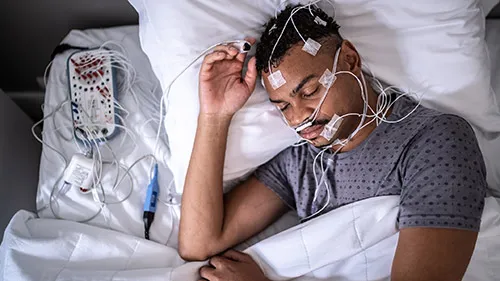
Patient undergoing sleep study

What is Sleep Apnea?

Sleep apnea comes in three types:

  • Obstructive Sleep Apnea (OSA) - The most common type, caused by throat muscle relaxation
  • Central Sleep Apnea - Brain fails to send proper breathing signals
  • Complex Sleep Apnea - Combination of both types

Common Signs and Symptoms

  • Loud snoring
  • Episodes of stopped breathing during sleep
  • Gasping for air during sleep
  • Awakening with a dry mouth
  • Morning headache
  • Insomnia
  • Excessive daytime sleepiness
  • Difficulty paying attention

The Sleep Study (Polysomnogram)

In-Lab Sleep Study

  • ✓ Most comprehensive testing
  • ✓ Monitors brain waves, eye movements, heart rate
  • ✓ Ideal for complex cases
  • ✓ Cost: $1,000 - $3,000

Home Sleep Test

  • ✓ Convenient at-home testing
  • ✓ Monitors breathing patterns and oxygen
  • ✓ Good for suspected moderate-severe OSA
  • ✓ Cost: $200 - $500

Understanding Your Results: Apnea-Hypopnea Index (AHI)

Severity AHI Score Meaning
Normal<5Fewer than 5 events per hour
Mild5-15May benefit from conservative treatment
Moderate15-30Typically requires treatment
Severe>30Surgery may be considered
2

DISE: Surgical Evaluation

What is DISE?

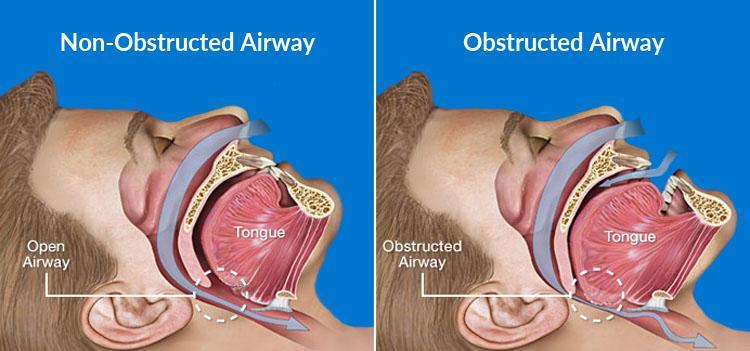
Drug-Induced Sleep Endoscopy (DISE) is a diagnostic procedure that evaluates your upper airway under sedation to mimic natural sleep. This helps surgeons identify the specific sites and patterns of airway obstruction.

Obstructive sleep apnea airway diagram

Obstructed vs. normal airway

Who is a Candidate?

  • Diagnosed OSA patients considering surgery
  • Those who can't tolerate CPAP therapy
  • Patients with complex multi-level obstruction

The DISE Procedure

1

Preparation

Fast after midnight, discuss medications with doctor, arrange a ride home

2

During the Procedure

Light sedation administered, flexible endoscope inserted through nose, 15-30 minutes

3

After DISE

Recovery room monitoring, possible sore throat or dry mouth, results discussed at follow-up

VOTE Classification

Surgeons use the VOTE system to classify obstruction sites:

V

Velum (Soft Palate)

O

Oropharynx

T

Tongue

E

Epiglottis

3

Insurance Authorization

What Insurance Companies Look For

Formal Diagnosis

AHI of 15+ or AHI 5-15 with comorbidities like hypertension

Documented CPAP Failure

At least 3 months of CPAP trial with documented intolerance or continued symptoms

Letter of Medical Necessity

Detailed letter from your doctor explaining why surgery is necessary

Pre-Authorization Steps

  1. 1

    Gather Documentation: Sleep study results, CPAP compliance data, medical records

  2. 2

    Submit Request: Your surgeon's office typically handles this

  3. 3

    Wait for Decision: Usually 5 business days, sometimes longer

  4. 4

    Appeal if Denied: Work with your doctor to strengthen your case

Surgery Cost Ranges

Procedure Average Cost
Nasal Surgery (Septoplasty)Up to $10,000
UPPP$6,400 - $10,000
Inspire Therapy$30,000 - $40,000
MMA Surgery$80,000 - $100,000+

Note: Costs vary significantly. Most insurance plans cover medically necessary sleep apnea surgery.

4

Pre-Surgery Preparation

Important: Medication Changes

Stop blood-thinning medications 2 weeks before surgery (aspirin, ibuprofen, Vitamin E, fish oil). Always consult your surgeon about your specific medications.

Two Weeks Before

  • ☐ Stop blood-thinning medications
  • ☐ Quit smoking
  • ☐ Reduce alcohol consumption
  • ☐ Get medical clearance from PCP
  • ☐ Complete required tests

One Week Before

  • ☐ Confirm surgery appointment
  • ☐ Arrange post-op care
  • ☐ Plan transportation home
  • ☐ Prepare soft foods at home
  • ☐ Fill prescriptions if possible

What to Pack for the Hospital

Essentials

  • ✓ CPAP machine
  • ✓ ID and insurance cards
  • ✓ Medication list

Comfort

  • ✓ Comfortable clothes
  • ✓ Slip-on shoes
  • ✓ Phone and charger

Leave at Home

  • ✗ Jewelry
  • ✗ Valuables
  • ✗ Cash (except minimal)
5

Surgery Day & Hospital Stay

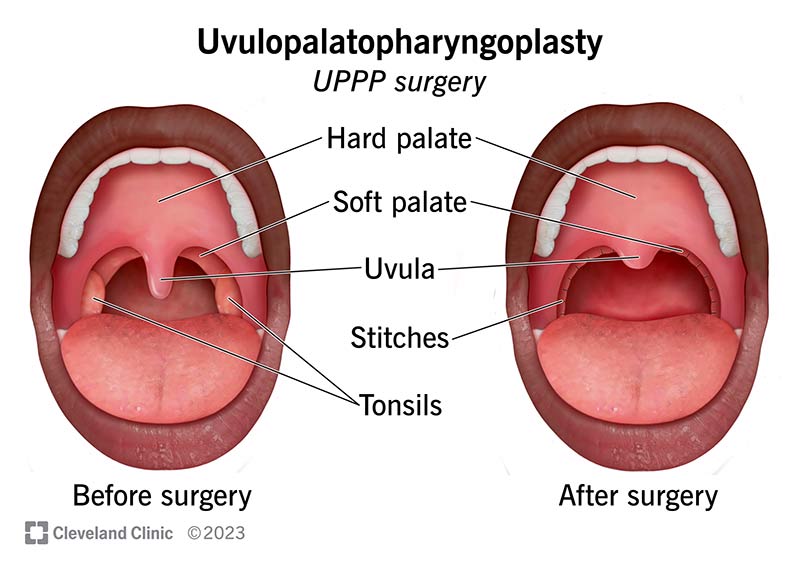
UPPP Surgery Diagram

UPPP surgery diagram - Cleveland Clinic

Before Surgery

  • No food or drink after midnight
  • Check in at designated time
  • Meet surgical team
  • Change into hospital gown
  • IV line placement

During the Procedure

You'll receive general anesthesia, so you'll be completely asleep during the procedure.

Duration: Typically 1.5 to 3 hours depending on the procedure

Common Procedures

  • • UPPP (soft palate surgery)
  • • Inspire implant placement
  • • Nasal surgery
  • • Jaw advancement (MMA)

Your Hospital Stay

Typical Stay: 1-2 Days

  • • Monitoring of vital signs
  • • Pain medication on schedule
  • • Clear liquids first, then soft foods
  • • Early walking encouraged

What to Expect

  • • Sore throat (normal)
  • • Stuffy nose
  • • Possible earache
  • • Swelling
6

Recovery Journey

First 24-48 Hours

Most critical period. Pain medication as prescribed, clear liquids, rest with head elevated. Have a caregiver present.

Days 1-14: Initial Healing

  • • Soft diet only (avoid hot, spicy, acidic foods)
  • • Drink 100+ ounces of fluids daily
  • • Avoid strenuous activity and heavy lifting
  • • Pain may peak around day 5
  • • First follow-up appointment at 1-2 weeks

Weeks 2-6: Gradual Return

  • • Slowly reintroduce solid foods
  • • Light walking encouraged
  • • Most return to work by week 2
  • • Continue avoiding strenuous exercise

6 Weeks & Beyond

  • • Full recovery may take several months
  • • Follow-up sleep study at 3-6 months
  • • Regular check-ins with your surgeon
  • • Full benefits of surgery become apparent

When to Call Your Doctor

  • ⚠ Excessive bleeding
  • ⚠ Fever over 102.5°F
  • ⚠ Difficulty breathing
  • ⚠ Severe pain not relieved by medication
  • ⚠ Signs of infection (increasing swelling, redness)
  • ⚠ Inability to keep fluids down

Ready to Start Your Journey?

Find a qualified sleep apnea surgeon near you and take the first step toward better sleep.

Find a Surgeon Near You
Dr. Igor

Medically Reviewed By

Dr. Igor I. Bussel, MD

Sleep Medicine Specialist