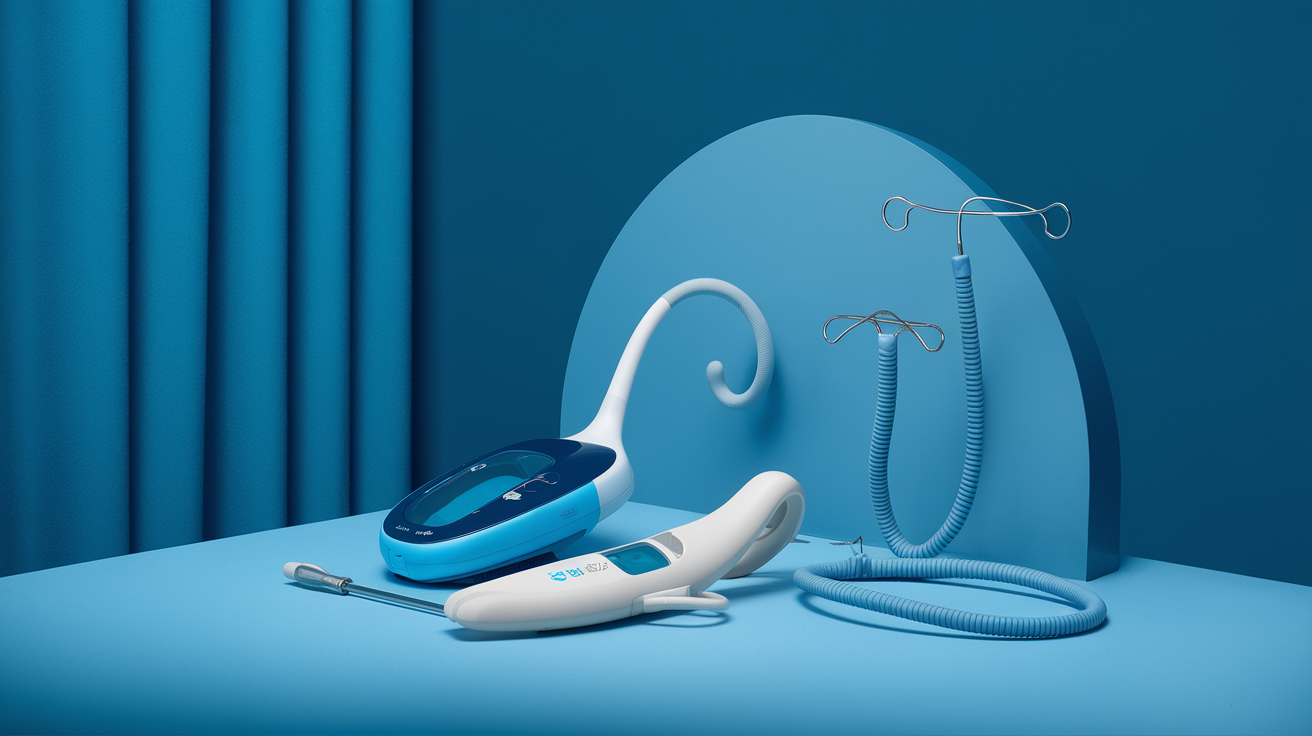

Feeling like you're juggling flaming swords trying to mix regular life with a CPAP machine? Totally get that. The cleaning routine, endless tweaks, and the epic hose failures in the middle of the night can drive anyone bananas. Curious about what might come after this reliable but sometimes infuriating device by 2026? Let's explore the cool alternatives and check out how they stand up.
Inspire Therapy: The New Frontier?
Let’s talk about the buzz surrounding Inspire therapy pricing. Imagine this—a nifty implant working magic to keep those pesky airways of yours wide open while you snooze. Almost sounds too tech-fabulous, right? So many folks are fans because—drumroll please—there are no want-to-scream face masks or tangled hoses involved.
But... not everyone gets a swipe-right match with it. If you're thinking about giving it a go, make sure to chat with your doc for a sit-down talk (they know best here). Fans rave about smooth faces free of mask indentations, but be prepared for some start-up hiccups. You might wake up with a sore throat or feel some discomfort. No magic bullets here, but Inspire is interesting if you're over the CPAP struggle.
Surgical Options: Permanent Relief or Big Risk?
Surgery might also have us writing sonnets to sleep without interrupted bursts of bad breathing. Here's the catch—you’re simply changing your airways forever. Feeling curious? Dive in:

A look-see: Key facts about how CPAP alternatives shape up in 2026
- Uvulopalatopharyngoplasty (UPPP): Bit of a monster to say! Sometimes, it's the only card left when things go sideways. Before you commit, peek into those UPPP vascularities that'll hit your pocket.
- Maxillomandibular Advancement (MMA): This is the heavyweight champion of sleep apnea surgeries. MMA involves repositioning both your upper and lower jaws forward to permanently enlarge the airway. It has the highest success rates of any sleep apnea surgery — studies report 85–95% effectiveness — but it's also the most invasive option. Recovery takes several weeks, and you'll be on a liquid diet for a while. If you're curious about the financial side, the MMA surgery cost guide breaks it all down.
- Tonsillectomy: If your tonsils are the main culprits blocking your airway, removing them can make a significant difference. Adult tonsillectomy for sleep apnea is more common than you might think, and recovery, while uncomfortable, is typically two to three weeks.
- Septoplasty and turbinate reduction: These nasal procedures won't cure sleep apnea on their own, but they can dramatically improve nasal breathing, which may make CPAP more tolerable or enhance the effectiveness of other treatments. Check out our septoplasty cost guide for pricing details.
The key thing to understand about surgical options is that they're not one-size-fits-all. The best approach depends entirely on where your airway is collapsing. That's why a thorough evaluation — often including a drug-induced sleep endoscopy (DISE) — is essential before committing to any surgical path. Your surgeon needs to see exactly what's happening in your airway during sleep-like conditions to recommend the right procedure.
Many patients end up benefiting from a multi-level surgical approach that addresses obstruction at multiple sites simultaneously. For instance, combining a tonsillectomy with UPPP surgery can yield better results than either procedure alone.
Oral Appliances: Bite-Sized Solutions?
If the idea of surgery makes you break into a cold sweat, oral appliances might be more your speed. These custom-fitted dental devices work by repositioning your lower jaw or tongue to keep the airway open during sleep. Think of them as a retainer with a mission.
The most common type is a mandibular advancement device (MAD), which gently pushes your lower jaw forward. This tension helps prevent the soft tissues at the back of your throat from collapsing and blocking your airway. There are also tongue-retaining devices that hold the tongue in a forward position, though these are less commonly prescribed.
Here's how oral appliances compare to surgical options:
| Factor | Oral Appliances | Surgical Options |
|---|---|---|
| Effectiveness | Best for mild to moderate OSA | Can address moderate to severe OSA |
| Invasiveness | Non-invasive, removable | Invasive, permanent changes |
| Cost range | $1,800 – $3,000 | $5,000 – $50,000+ |
| Adjustment period | 2–4 weeks | 2–6 weeks recovery |
| Reversibility | Fully reversible | Generally permanent |
| Side effects | Jaw soreness, bite changes | Surgical risks, pain, swelling |
The catch with oral appliances is that they work best for mild to moderate sleep apnea. If your AHI is north of 30, an oral appliance alone probably won't cut it. They also require a commitment to wearing them every single night — skip a night, and your airway goes right back to its old tricks.
Another thing to keep in mind: you'll need a custom-fitted device from a dentist who specializes in sleep medicine. Those generic "boil and bite" anti-snoring devices you see online are not the same thing and generally aren't effective for treating diagnosed sleep apnea. A properly fitted MAD requires dental impressions, bite calibration, and follow-up adjustments to get the positioning just right.
Some patients experience jaw discomfort, excessive salivation, or gradual changes in their bite alignment over time. These side effects are usually manageable, but they're worth discussing with your dental sleep specialist before committing.
Lifestyle Changes: Can They Really Replace CPAP?
Here's where things get real. Can lifestyle modifications actually make a meaningful dent in your sleep apnea? The honest answer is: it depends on your specific situation, but for some people, the impact can be genuinely transformative.
Weight management is the single most impactful lifestyle change for many OSA patients. Research consistently shows that even a 10–15% reduction in body weight can lead to a 50% or greater reduction in AHI for overweight individuals. For some patients, significant weight loss can completely resolve their sleep apnea. That said, weight loss alone won't help everyone — plenty of lean individuals have sleep apnea due to anatomical factors that have nothing to do with body weight.
Other lifestyle modifications that can complement your primary treatment:
- Positional therapy: If your sleep apnea is significantly worse when you sleep on your back (supine-dependent OSA), positional therapy can be remarkably effective. Devices range from simple tennis-ball-in-a-sock solutions to sophisticated wearable vibrating sensors that gently prompt you to roll onto your side.
- Alcohol and sedative avoidance: Alcohol relaxes the muscles in your throat, making airway collapse more likely. Cutting back on evening drinks — especially within three hours of bedtime — can noticeably reduce apnea events.
- Sleep hygiene optimization: Maintaining a consistent sleep schedule, keeping your bedroom cool and dark, and avoiding screens before bed won't cure sleep apnea, but better sleep hygiene can improve overall sleep quality and reduce the severity of symptoms.
- Myofunctional therapy: This involves exercises that strengthen the muscles of the tongue, soft palate, and throat. Think of it as physical therapy for your airway. Early research suggests it can reduce AHI by approximately 50% in some patients, particularly those with mild to moderate OSA.
- Nasal breathing optimization: Addressing chronic nasal congestion through allergy management, nasal strips, or saline irrigation can improve airflow and reduce mouth breathing during sleep.
"Lifestyle changes work best as part of a comprehensive treatment plan rather than a standalone solution. The most successful patients combine targeted lifestyle modifications with their primary treatment — whether that's CPAP, an oral appliance, or a surgical intervention."
The bottom line? Lifestyle changes alone are unlikely to replace CPAP for moderate to severe sleep apnea. But they can absolutely amplify the effectiveness of whatever primary treatment you choose, and in some cases of mild OSA, they may be sufficient on their own.
Navigating Your Options: What Now?
With all these alternatives on the table, how do you actually figure out which path is right for you? The answer starts with understanding exactly what's going on with your specific anatomy and sleep patterns.
Here's a practical roadmap for evaluating your options:
- Get a comprehensive sleep study: If your last sleep study is more than a year old, consider getting an updated one. Your OSA severity may have changed, and current data gives your healthcare team the best foundation for recommendations.
- Consult with a sleep specialist: Not just any doctor — a board-certified sleep medicine physician who can evaluate the full range of treatment options, not just the ones they personally provide.
- Consider a surgical evaluation: Even if you're not sure about surgery, a consultation with a sleep surgeon can provide valuable insights about your anatomy. A DISE procedure can reveal exactly where your airway is collapsing.
- Ask the right questions: For any treatment option, ask about success rates for patients with your specific profile, potential side effects, long-term outcomes, and what happens if the treatment doesn't work.
- Factor in your lifestyle: The "best" treatment is the one you'll actually stick with. A theoretically superior option that you abandon after two months is worse than a good-enough option you use consistently.
It's also worth noting that these alternatives aren't necessarily mutually exclusive. Many patients find success with hybrid approaches — combining a surgical procedure with an oral appliance, or pairing positional therapy with weight management, for example.
The landscape of sleep apnea treatment is evolving rapidly. New technologies, refined surgical techniques, and emerging therapies like pharmaceutical options are expanding the toolkit available to patients and clinicians alike. What matters most is finding an approach that effectively controls your sleep apnea while fitting into your life in a sustainable way.
Ready to explore your options with a specialist? Our provider directory connects you with verified sleep apnea specialists across the United States who can help you navigate these choices and find the treatment plan that's right for you.